Brian
Coaching
I met Brian at Workable. He was a university graduate with a Postgraduate Diploma in Management (PGCE) and an undergraduate degree in Business Studies, Workforce Management, and Training (BA Hons). Despite these qualifications, Brian explained that he was struggling to secure meaningful, sustainable employment. He went on to share his story with me:
“I feel that being deaf contributes to my difficulty in finding sustainable employment. Corporate companies are willing to offer me short-term projects, but they won’t give me a permanent job. Yes, I need some adjustments, but employers seem unwilling to offer a permanent contract.”
It was immediately clear to me that Brian was highly gifted. However, the nature of his degrees had led him to focus almost exclusively on the corporate sector. Brian was funny, witty, and deeply relatable, and his exceptional interpersonal skills stood out. I could see that a world of opportunity existed for him far beyond the traditional workplace, and I encouraged him to broaden his career aspirations and consider roles where his lived experience would be valued rather than overlooked.
A few months later, I learned of an opportunity with the Greater Manchester Ambulance Service. They were seeking someone to review the accessibility of their services for local deaf and deafened communities. The ideal candidate would be deaf or deafened, with both the professional skills to undertake the work and the lived experience to understand the barriers faced by service users.
Brian was not only keen to take on the role—he was a perfect fit.
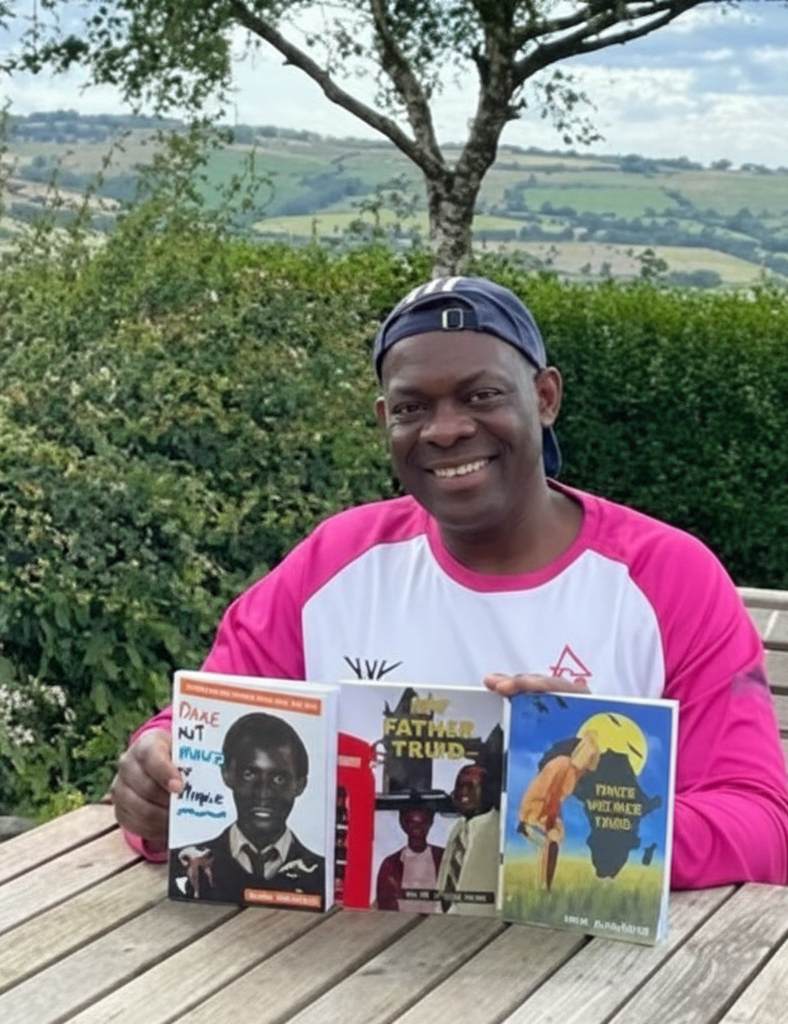
He went on to become a passionate advocate for deaf people, an accomplished athlete, educator, and author, and a much-loved alumnus of the Operation Black Vote programme.
Before his untimely and peaceful passing in June 2025, Brian was a great British international athlete and served as Assistant Technical Director for Athletics and Cross Country with the European Deaf Sports Organisation.
Brian’s approach to inclusion was always practical and grounded. He championed written training plans from coaches, worked to improve access to the arts, and consistently challenged employers to make recruitment processes and workplaces more accessible and inclusive.